What B2B can learn from B2C
People tend to forget that B2B businesses sell to people, too. Behind every decision, contract, and paperwork is a person. These are some of the best strategies that B2B can copy from the B2C playbook.
Mar 11, 2026
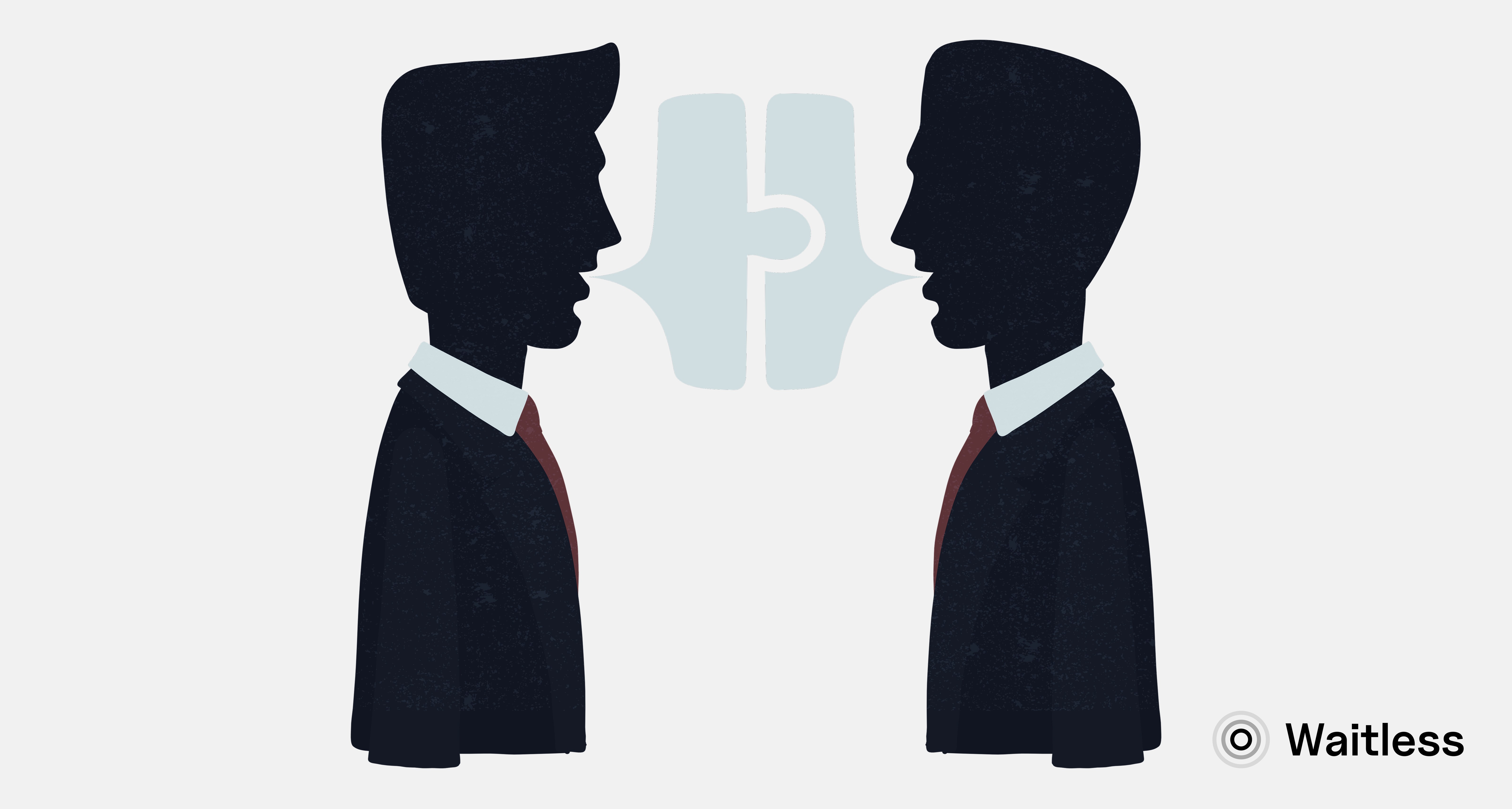
You've probably heard it a hundred times: 'The customer is king.' For B2C companies, it’s a mantra they live by. This means that they are consumer-centered, and everything they do is catered to their needs. It doesn’t mean that they follow them blindly. Rather, they find what the customer is missing, fulfill their need, and try to establish a relationship with them that will create customer retention in the long run. Oftentimes, people forget that B2B businesses sell to people, too. Behind every decision, contract, and paperwork is a person. Sometimes we overcomplicate things, thinking we’re selling to a lifeless company, rather than to a real human being who works at a certain company, and has their own way of thinking, fears, and motivations that drive them. There are certain strategies that B2B can copy from the B2C playbook:
Prioritize User Experience
The user experience runs through every stage of product consumption, from the first purchase to the feeling that lingers long after. Every single touchpoint matters, and it’s crucial to make the whole process intuitive and easy to understand. Most of the time, companies overlook this factor, thinking it’s not as important, and they have a great service that will make up for it. But it’s an awful feeling when your customers are frustrated and disappointed in their purchasing decision. After a frustrating experience, it’s very difficult to get their trust and loyalty back. That’s why it’s crucial to test every touchpoint and ensure it’s up-to standard and keep their satisfaction at an all time high.
Tell a Story
B2C brands are the masters of storytelling. Before you think of their product, you think of the idea and lifestyle they’re selling to you. Think of Apple and their idea of thinking differently. They’re selling you the lifestyle where you’re reaching your full potential and excel at things. You set the standard in your field. Every single successful brand does this. Create a story that you want to tell to your customers. Envision what they would want to feel when they use your product or service. Is it prestige? Reliability? Create a narrative that motivates them to remain loyal to your company.
Make It Personal
When you’re writing an email, don’t just copy-paste the same thing to all of your customers. Add details that are unique to the company. It makes them feel seen and recognized, and it shows that you care. Tailoring your outreach, onboarding, and communication to each customer's specific industry, role, or pain point transforms a transaction into a relationship. Putting that personal touch makes a huge difference, and technology makes it easier than ever. This will make your company stand out against the rest.
Create a Sense of Community
One of the most powerful things a B2C brand can do is make its customers feel like they belong to something. As social creatures, we tend to want to be a part of a community and have a sense of belonging. Use that feeling to your advantage. Create a community where people and companies would love to be a part of, and make them feel lucky to be here for the journey. B2B businesses are gradually catching on. Slack communities, user workshops, online forums, and customer advisory boards all provide opportunities for buyers to connect with others, share information, and grow. When your product becomes the platform around which a professional community forms, switching costs skyrocket. It’s a powerful position to hold in the market space.
Leverage Your Ratings and Social Proof
Before buying a more expensive product, everyone checks for reviews. That’s why it’s extremely important for the business to have a way to showcase its portfolio, past experience, and the satisfaction of its customers. Make it easy for satisfied customers to post public feedback for your company. Include case studies prominently, let numbers speak for themselves. If you say "Used by 3,000 companies in 40 countries," it’s more valuable than any adjective your marketing team can come up with. In a world of skeptical purchasers, recommendations by peers are more powerful than anything you say about yourself.
Loyalty and Retention Programs
User retention is revenue. It’s far cheaper to retain an existing customer than to acquire a new one, and loyal customers spend more, refer, and forgive a lot easier if you make a mistake. Using certain incentives to reward loyal customers is a great way to keep them motivated and willing to come back. These gestures signal that you value the relationship beyond the contract. They turn customers into advocates, and these advocates in B2B are worth more than any campaign you'll ever run.
The line between B2B and B2C is blurry and somewhat artificial. In every single company, the goal is to keep customers satisfied and to build trust. You need to continuously build a relationship with your customer, because it’s a whole experience and not just a one-time purchase. At the end of the day, people tend to forget that behind every big company lies a person, and you should treat them as one.