Everything you need to know about CRM
Customer Relationship Management is not just a simple software tool, it’s a business strategy designed to manage, analyze and optimize all interactions between the customers and the business.
Dec 17, 2025
Introduction to CRM
Today, in this competitive marketplace, a company’s most valuable asset is its customers. They can make or break a business. That’s why every company should emphasize the importance of its customers and their satisfaction. Customer Relationship Management (CRM) is not just a simple software tool, it’s a business strategy designed to manage, analyze, and optimize all interactions between the customers and the business. The ultimate goal is to improve relationships, drive sales growth, foster loyalty, and enhance overall profitability.
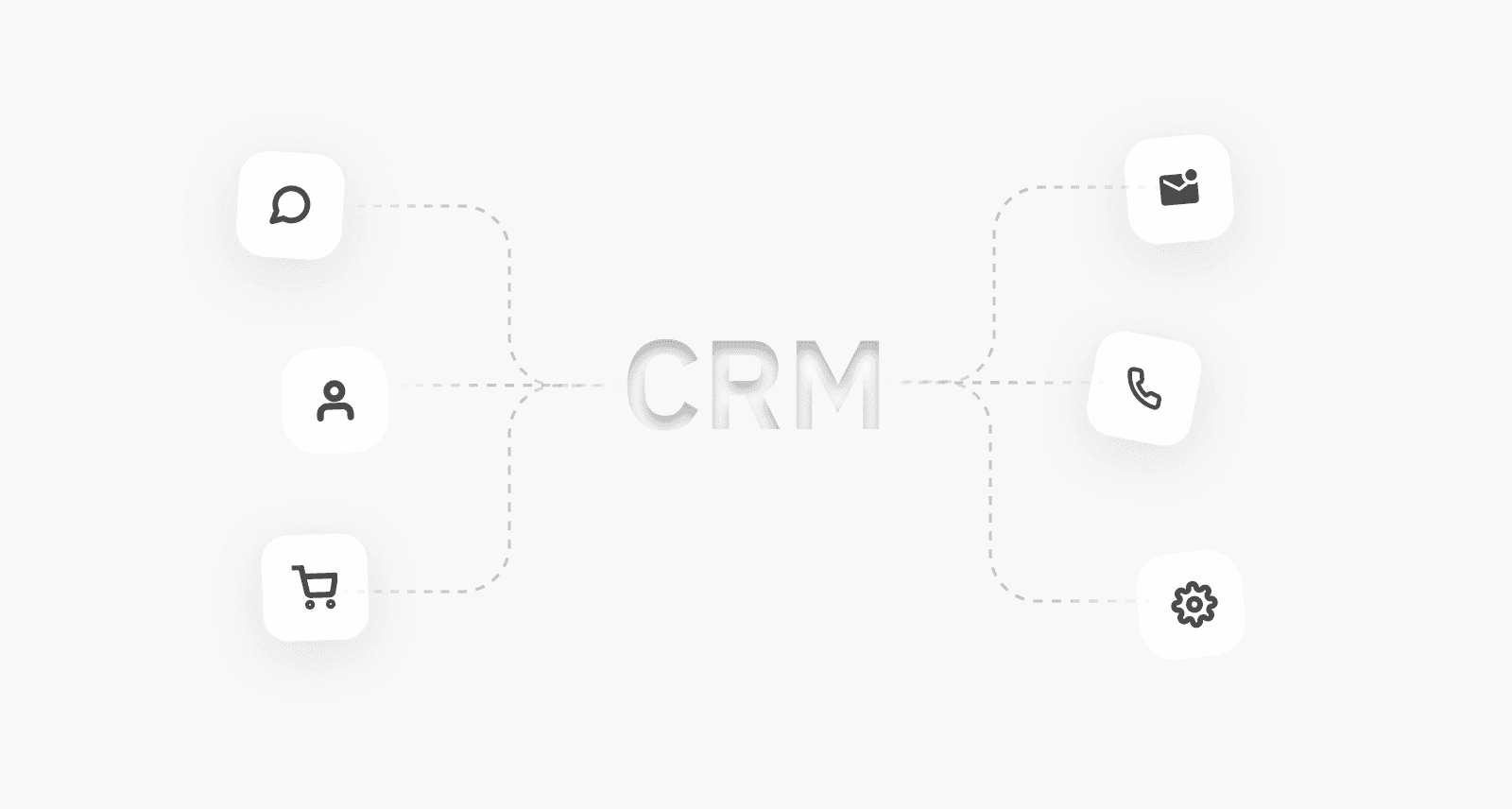
The CRM system focuses on gathering customer data. From a first-time website visit to a regular customer making a service call, it creates a single, unified view of every interaction across all departments. Through this holistic approach, you can get to know the customers, build connections, and strengthen the relationship.
How It Works
At its technical core, CRM technology operates as a sophisticated, integrated platform.
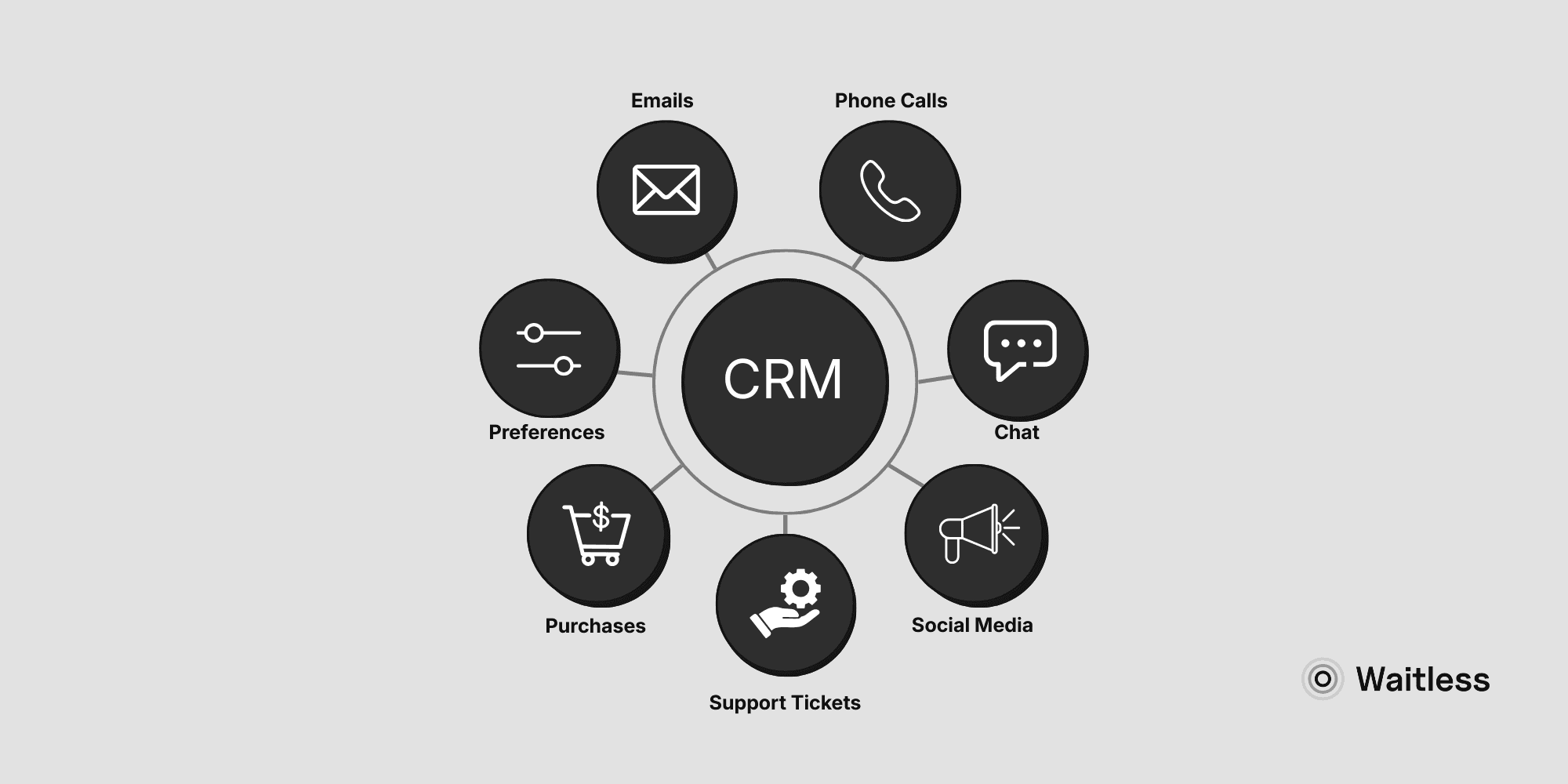
Centralized Data: The system collects and stores data from every customer touchpoint, which include: emails, phone calls, social media interactions, purchase history, etc. This single source approach ensures consistency and gives the most optimal result.
Workflow Automation: It automates routine and repetitive tasks for sales, marketing, and service teams. This includes sending follow-up emails, assigning new leads to the correct sales representative, and managing service queues. Automation increases productivity and allows employees to focus on more meaningful tasks.
Analytics and Reporting: CRM generates priceless business insights, it utilizes sophisticated algorithms to track Key Performance Indicators (KPIs), predict customer behavior, and identify performance bottlenecks or emerging trends.
AI abilities: AI-powered technologies are used by modern CRMs to forecast sales trends, offer insights into customer behavior, and recommend actions that can increase customer engagement.
Why CRM Matters
A well-implemented CRM system is transformative. This generates value from understanding the consumers on a deeper level. It creates a meaningful narrative that makes them resonate with the business, and in return, it creates loyalty.
Improved customer segmentation: Through this system, CRM can divide different types of customers into different segments, in order to fully understand them, and ensure they are given the best customer experience, and keep them satisfied. CRM helps move past basic demographic segments and utilizes behavioral traits, such as purchasing frequency, time of purchases, preferred communications, etc. Through understanding the target audience, it’s easier to send targeted ads designed for them and improve the retention rate.
Better customer service and experience: When a consumer contacts the company, the CRM gives the service agent immediate and comprehensive access to their entire history. The representative is aware of the customer's past activities. This reduces the need for the consumer to repeatedly tell their narrative, resulting in faster resolution, less friction, and a far superior service experience that builds trust.
Higher retention rates: Loyalty is based on consistent activities that are targeted towards the customer and their experience. CRM enables firms to monitor customer health ratings and proactively identify those who are likely to leave. Targeted offers, individualized check-ins, and proactive help can greatly decrease churn rate and offer a stable source of costumers. It’s a lot easier and cheaper to retain customers, instead of constantly seeking new ones.
Helps identify pain points: CRM reports identify systemic product flaws, operational inefficiencies, or certain misunderstandings by methodically examining data gathered from customer support queries and comprehensive feedback records. In order to optimize service delivery and guide strategic decisions in product development, this knowledge is essential.
Potential Consequences of Not Using CRM
A lack of a cohesive CRM strategy can cause serious, recurring problems for the entire company.
Worsening of the Company Image: Inconsistent service, lost records, and poor communications create an unpleasant customer experience, which damages the company’s reputation and image.
Loss of Customers, Revenues, and Profits: When customers have an unpleasant experience, the churn rate increases. The consequent client loss immediately correlates with a decrease in recurring revenue and overall profitability. Sales cycles become longer and less productive as staff spend time looking for missing data.
Increase in Number of Complaints: Without standardized procedures, problems frequently fall through the cracks, causing customers to raise the same issue repeatedly, escalate their complaints, or leave the company.
CRM is the heart of a customer-centric business. It turns irregular, apathetic interactions into deep relationships. It can significantly increase productivity, cultivate enduring loyalty, and establish a sustainable route to profit. In the experience economy, managing client relations translates to mastering the company's future.
We help companies build referral and gamification campaigns at scale. Sign up here.